
National Bird of Portugal: Discovering the Barcelos Rooster
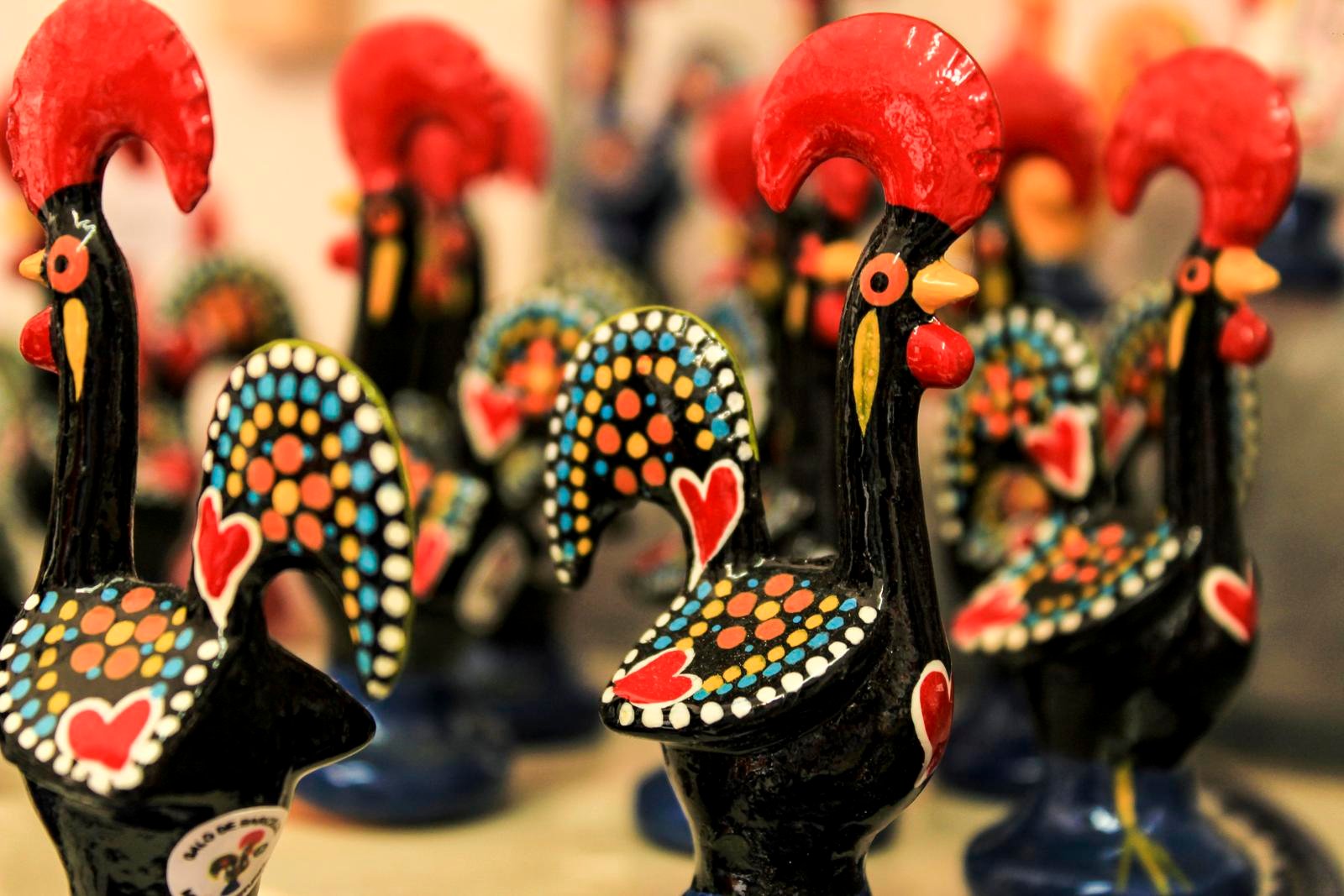
The national bird of Portugal is the Barcelos Rooster, a vibrant symbol of luck and prosperity. This iconic figure is not only a colorful representation of Portuguese culture but also carries a rich history tied to folklore and tradition.
You might be surprised to learn that the rooster gained prominence during the dictatorship of Antonio Salazar, who embraced it as a national symbol. This connection adds an interesting layer to its significance and demonstrates the deep-rooted traditions that shape Portugal’s identity.
As you explore the story of the Barcelos Rooster, you’ll uncover the fascinating folklore that surrounds it, along with its role in modern Portuguese culture.
Overview of the National Bird
The national bird of Portugal, recognized for its vibrant symbolism, reflects the country’s rich cultural heritage.
This section explores how it earned its status and provides details about its characteristics.
Declaration as National Bird
The Barcelos Rooster, known as the “Galo de Barcelos,” holds the title of Portugal’s national bird. This declaration is rooted in tradition and folklore, celebrating Portuguese identity and spirit.
The rooster is associated with a legend involving a traveling pilgrim who was wrongfully accused of theft. He proclaimed his innocence by pointing to a rooster on a plate, which unexpectedly crowed, proving his truthfulness. Consequently, it came to symbolize justice and faith in Portugal.
Species Profile
The Barcelos Rooster is notable for its vibrant colors and intricate designs, often depicted in red, yellow, and green.
This bird typically measures about 28 to 32 inches tall, with a characteristic upright posture.
In addition to its folklore significance, the rooster is an embodiment of creativity and craftsmanship in Portuguese art. It is often found in handcrafted ceramics, textiles, and souvenirs.
You’ll see it adorning markets and homes, reminding everyone of its cultural importance.
With both mythological roots and artistic representation, the Barcelos Rooster is more than just a bird; it’s a beloved and enduring symbol of Portugal’s cultural legacy.
Historical Significance
The national bird of Portugal carries profound historical significance that is intertwined with the country’s culture and identity.
This section explores its cultural importance as well as its symbolism and representation throughout Portuguese history.
Cultural Importance
The national bird serves as a cultural emblem, often featured in art, literature, and folklore. In many communities, it represents not just a species but also the spirit of the nation.
You can find depictions of this bird in traditional crafts and souvenirs, which convey local customs and stories.
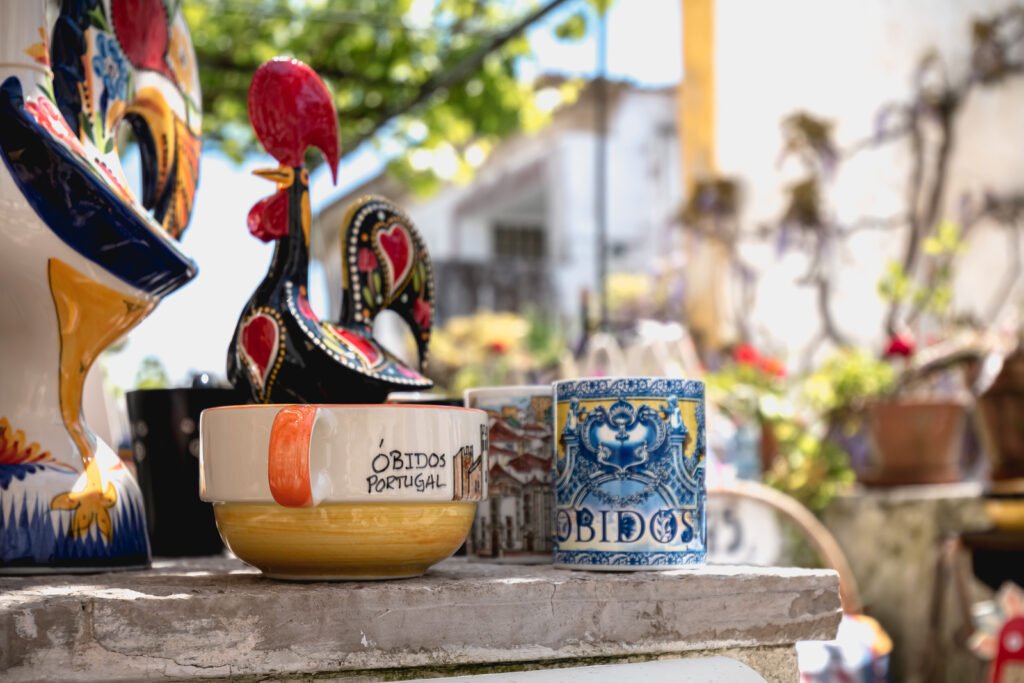
Festivals celebrate this avian symbol, bringing people together and honoring heritage. Items such as pottery, textiles, and even paintings highlight its vibrant colors and unique characteristics.
This relevance fosters a sense of unity and pride among citizens, linking modern-day Portugal to its rich historical backdrop.
Symbolism and Representation
The national bird is often associated with freedom and resilience.
You’ll find this bird is prominently featured in various legends, adding layers to its symbolic meaning.
Moreover, it represents the connection between nature and national identity. In traditional tales, the bird often appears as a guide or protector, symbolizing hope and prosperity.
Its portrayal in the national context encourages appreciation for biodiversity and the environment, which are crucial to Portugal’s heritage and future.
Characteristics of the Bird
The national bird of Portugal is the Barcelos Rooster, a vibrant and culturally significant symbol. This section covers its distinct physical features and notable behaviors.
Physical Description
The Barcelos Rooster is renowned for its striking appearance. It typically displays brilliant colors, including deep reds, bright yellows, and lush greens. The vibrant plumage often features intricate patterns that make it visually striking and a focal point in art and folklore.
You can usually recognize this bird by its distinctive crown of feathers atop its head, which adds to its charm. Adult roosters generally measure about 36 to 38 centimeters in height.
Additionally, the rooster has a sharp beak and long legs, which aid in foraging. Its tail feathers are particularly noticeable, often fanning out in a beautiful display.
This combination of traits makes the Barcelos Rooster an appealing subject for both admiration and symbolism.
Behavioral Traits
The Barcelos Rooster is known for its playful and sociable nature. Often seen in flocks, these birds engage in various social interactions that showcase their lively personalities.
You might notice their characteristic crowing, which serves as a way to establish territory and communicate with one another. They are generally active during the day, foraging for seeds, insects, and other food sources.
Especially interesting is their part in Portuguese culture, where they are often associated with stories of miracles and good luck. This connection adds to the rooster’s significance, making it more than just a bird but a symbol of hope and resilience in Portuguese heritage.